How to Grow Your YouTube Channel (Without Wasting Years on the Wrong Platforms)

Membership.io Team
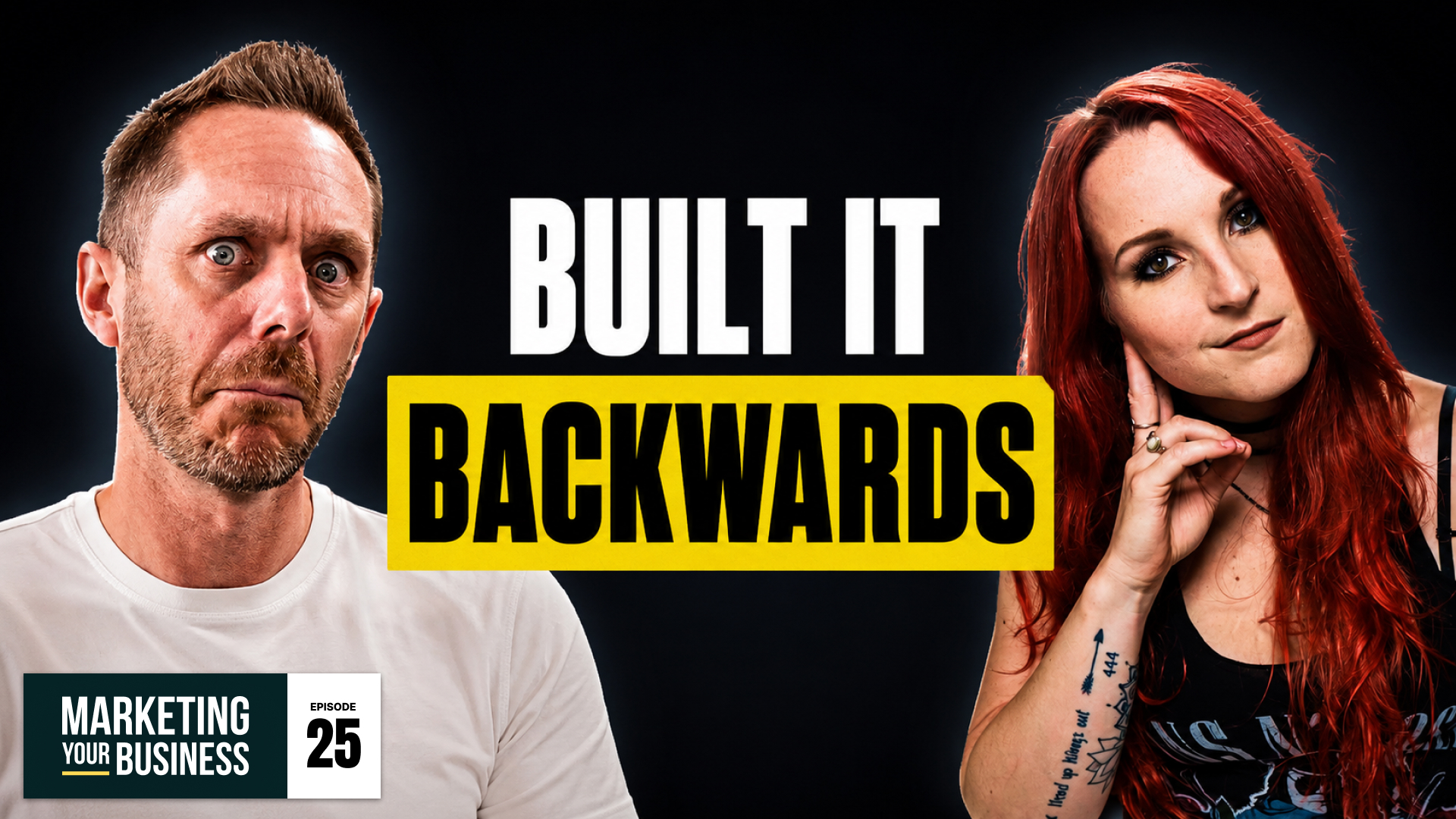
How to Grow Your YouTube Channel (Without Wasting Years on the Wrong Platforms)
TL;DR:
Most creators build the product first, then realize they have no audience to sell it to. Fix the order: audience first, product second.
Ask your existing members or early subscribers where they found you. Then cut every platform that isn't the answer. That single move is how Marine Lacoste went from a few thousand to approximately 80,000 YouTube subscribers.
Build a freebie or workbook BEFORE recording each video. It keeps your video on-script and shows you which topics actually convert viewers into leads.
YouTube's ad revenue pays you while you generate leads, inverting the usual "spend money to grow" model.
When your community goes quiet, a monthly challenge with a low bar to entry brings them back to life.
Marine Lacoste spent years as a touring keyboardist. When she decided to build an online business teaching rock and pop piano, she did what most people do: she built the membership first.
Then she opened it and waited for buyers.
Nobody came. She had a product and no audience.
What she did next is the reason her YouTube channel sits at approximately 80,000 subscribers today, and why her membership is now her primary source of income. It's also the reason this post exists, because the sequence she reversed is the same mistake most coaches, fitness trainers, educators, and creators make regardless of niche.
The tactics she used aren't music-specific. They work for anyone building an audience around expertise.
How do you grow a YouTube channel when you have zero audience to start with?
Start before you're ready, but test before you build. Post approximately 10 videos in your chosen niche and watch what happens. The videos that generate comments, click-throughs, and questions tell you whether demand exists. Build the product only after the audience signals are there. Most failures happen because creators reverse this sequence.
Marine's reversal was painful but instructive. She had built the membership, then realized finding your first members is the actual hard part. No audience, no launch, no matter how good the product. So she stepped back and started treating YouTube like her market research engine, posting consistently and watching which videos pulled real engagement before she invested more in the offer.
Stu McLaren calls this the test-before-build principle, and it applies directly to validating your membership idea before you build it. Ten videos is enough data to know whether the audience exists and whether they care about your specific angle.
Should you be on every platform or focus on one channel to grow your audience?
One platform. Not two, not three. Pick the one where your actual audience is already finding you, then drop everything else (especially if you're just starting out). Spreading yourself thin across TikTok, Instagram, and YouTube simultaneously usually means growing slowly on all three instead of quickly on one. Focus compounds. Fragmentation doesn't.
Marine tried all three. She was posting on TikTok, Instagram, and YouTube simultaneously, grinding through content creation on every front. Then she did something most creators never think to do: she asked her members where they had found her.
The answer was overwhelmingly YouTube. Not TikTok. Not Instagram. YouTube.
She dropped the other two platforms immediately. That decision, eliminating rather than adding, is what unlocked real growth. Within months, her channel went from a few thousand subscribers to tens of thousands. By the time she shared her story on Stu's podcast, she had approximately 80,000 subscribers and a waiting list for her membership.
The lesson isn't that YouTube is always the answer. The lesson is that asking your audience is how you find your answer. Survey your members, ask new sign-ups how they discovered you, and let the data eliminate platforms instead of your gut feeling.
What kind of YouTube videos actually convert viewers into leads and customers?
Long-form, niche-specific videos that open by stating exactly who the video is for and what the viewer will learn, then deliver a quick win. Eight to fifteen minutes outperforms both short clips and hour-long tutorials for this purpose. Niche down to a specific subgroup within your topic so the right people self-select and the wrong people leave quickly.
Marine's early mistake was targeting "piano lessons," a phrase broad enough to attract beginners, intermediates, advanced players, classical musicians, jazz fans, and parents looking for kids' lessons. She narrowed to rock and pop piano taught through chords, specifically designed to give players a fast, feel-good result: learning to play a recognizable song quickly.
That narrowing did two things. First, it filtered out people who would never convert. Second, it built trust faster with the audience who stayed, because the content felt made specifically for them.
Her video structure is scripted and consistent:
Intro: State who the video is for and what they'll walk away knowing. (If this isn't you, feel free to leave.)
Freebie CTA: Mention the free workbook or resource available with the video.
Teaching: Deliver the lesson with enough depth to be genuinely useful.
Outro: Remind viewers of the freebie and point them toward the next video.
The intro filter matters. Bouncing the wrong viewer early keeps watch-time metrics healthy, which is how the algorithm decides whether to keep showing your video.
On thumbnails: bright colors, few words, and hands in frame instead of a face. Marine found that showing the hands doing the actual thing outperformed traditional talking-head thumbnails in her niche.
What should your YouTube channel lead magnet look like for a membership business?
Build the freebie before you record the video, not after. Create a workbook, PDF, or resource tied directly to that video's topic, set up a dedicated landing page for each lead magnet, and mention it in the video's intro and outro. This system keeps the video tightly on-script and reveals which topics actually drive email sign-ups.
Most creators treat lead magnets as an afterthought. Marine inverted the process. Before opening a camera, she builds the companion resource: a chord chart, a practice worksheet, a fingering guide. Then she creates a landing page for it. Then she records the video, which is essentially an introduction to the freebie.
The downstream benefit is data. When a video drives hundreds of email sign-ups and another pulls almost none, she knows exactly which topics her audience cares enough about to hand over their email address. That's the list she builds her membership offers from.
This system is how you turn your YouTube channel into a lead generation machine, and it connects directly into email marketing that feeds your membership platform. The funnel is simple: video reaches a cold viewer, lead magnet converts them to an email subscriber, email sequence introduces the membership.
Can you make money on YouTube while still building your audience?
Yes. Once you reach YouTube's monetization threshold (1,000 subscribers and 4,000 watch hours), ad revenue starts flowing. It won't replace your membership income, but it partially funds the cost of running and growing the channel. Marine described this as getting paid to build your audience, which inverts the usual model where creators spend money to grow.
Most people think of audience-building as a cost center. You spend time, sometimes money on ads or tools, and hope the investment pays off later. YouTube ad revenue changes that equation. The channel generates income while you generate leads. You're not spending to grow; you're earning while you grow.
YouTube reaches approximately 2.7 billion monthly users, which means even a highly specific niche topic can find an audience large enough to monetize. Marine's rock and pop piano channel isn't a broad entertainment channel. It's hyper-specific, and it still generates enough views to qualify for and maintain monetization.
Most channels take roughly 16 months to reach 1,000 subscribers, and about 68% of channels need more than 40 videos to get there. That's the honest timeline. But from the moment monetization kicks in, the growth model shifts. You're not waiting for a payout; you're already getting one.
How do you get members to actually engage in a silent online community?
Give them something specific and low-stakes to do together. A monthly challenge with a clear theme and a low participation bar works because it removes the biggest reason people lurk: not knowing what to post. Marine introduced a 3-level monthly challenge with a musical theme, set the bar at "post anything, even just two measures," and posted her own imperfect attempt first.
Silent communities are one of the most common frustrations for membership owners. Members join, consume content, and never post anything. The community tab looks empty, which makes new members even less likely to post, which makes it emptier.
Marine's unlock was a monthly challenge built around a theme, one month hard rock, next month something else, with three levels of difficulty so beginners and advanced players could both participate. The bar was deliberately low: post anything, even two bars of music. Not a polished performance, not a complete song.
Then she posted first. An imperfect version of the challenge from her own hands. That move matters more than the format. When the leader posts something unpolished, it signals that this isn't a performance space. It's a practice space.
The result was a community that went from silent to posting daily. Members who had never written a single comment started sharing short clips. That's how you build a community that drives its own growth, and it doesn't require a complicated system. It requires a theme, a low bar, and the courage to go first.
How do you convert YouTube subscribers into paying members?
The path is video to lead magnet to email list to membership offer. YouTube builds trust, the lead magnet captures contact information, and the email sequence introduces the membership. Subscribers who have watched multiple videos and downloaded a freebie are warm enough to convert without a hard sales push. The channel does most of the persuasion before they ever see the offer.
Marine's membership isn't sold with a big launch every quarter. It's sold continuously, because the YouTube channel runs continuously. Every video is a soft introduction to who she is and what she teaches. Every lead magnet is a sample of what members get. By the time someone reaches her membership page, they already trust her.
That's the full funnel: convert your YouTube audience into paying members by treating the channel as the top of a funnel that ends at a recurring revenue offer, not just a subscriber count. And when you get there, remember that selling a membership goes beyond content. The content gets people in the door; the community and transformation are what make them stay.
Marine's path isn't a music story. It's a sequencing story.
Build the audience before the product. Find the one platform your audience actually uses, then go deep on it instead of spreading across three. Create the lead magnet before the video. Let YouTube pay you while you build. Give your community something low-stakes to do together.
Any creator in any niche can run this playbook. The tools are the same whether you teach fitness, business, cooking, or anything else.
When you're ready to turn that audience into recurring income, Membership.io is the dedicated membership platform built by membership owners. Everything you need to start or grow your membership lives in one place, not scattered across a dozen tools pieced together. Start your membership today and see why creators like Marine choose it as their content and community forever home.
Frequently Asked Questions
How do you grow a YouTube channel from zero when you have no audience yet?
Post approximately 10 videos in your chosen niche and treat them as market research. Watch for comments, click-throughs, and questions. Those signals confirm whether an audience exists for your specific angle. Build the product only after the channel data says people are interested. Most failures happen because creators build first and validate second.
Should you be on TikTok, Instagram, and YouTube at the same time?
No. Pick one, based on data, not preference. Ask your existing members or email subscribers where they found you. Marine Lacoste did this, discovered her audience came overwhelmingly from YouTube, and dropped TikTok and Instagram. Her subscriber count went from a few thousand to approximately 80,000 after making that single decision.
How long does it take to grow a YouTube channel for an online business?
On average, roughly 16 months to reach 1,000 subscribers, and most channels need 40 or more videos to get there. But with a lead magnet on every video, email subscribers can arrive much sooner than that, and email subscribers convert to paying members faster than passive YouTube subscribers do.
Do YouTube Shorts help you grow a membership audience?
Marine's experience suggests long-form works better for membership conversion. Her videos run 8 to 15 minutes and follow a scripted structure designed to educate and capture leads. Shorts build reach but tend to attract passive viewers. Long-form videos attract people genuinely interested in learning, who are more likely to download a freebie and join a membership.
What's the simplest YouTube lead magnet for a coaching or course business?
One freebie per video, built before you record. Keep it tightly tied to the specific topic of that video: a checklist, a worksheet, a template, a quick-reference guide. Set up a dedicated landing page for it, mention it in the first 60 seconds of the video, and mention it again at the end. The sign-up rate tells you which topics your audience values most.
Related posts
See more
Over 700 People Paid Carrie Green for What Most Creators Give Away Free
Membership.io Team
October 5, 2026
Attention Spans Hit 7.2 Seconds. This ONE Thing Took Course Completion to 65%.
Membership.io Team
September 28, 2026
Jessi Jean's Yap Challenge: The $7 Million Launch That Started With No Funnel
Membership.io Team
September 17, 2026
Stay in the loop
Don't miss out on our latest news, tip and content! Join our mailing list and get exclusive tips, tricks and the latest insider hacks.