Over 700 People Paid Carrie Green for What Most Creators Give Away Free

Membership.io Team
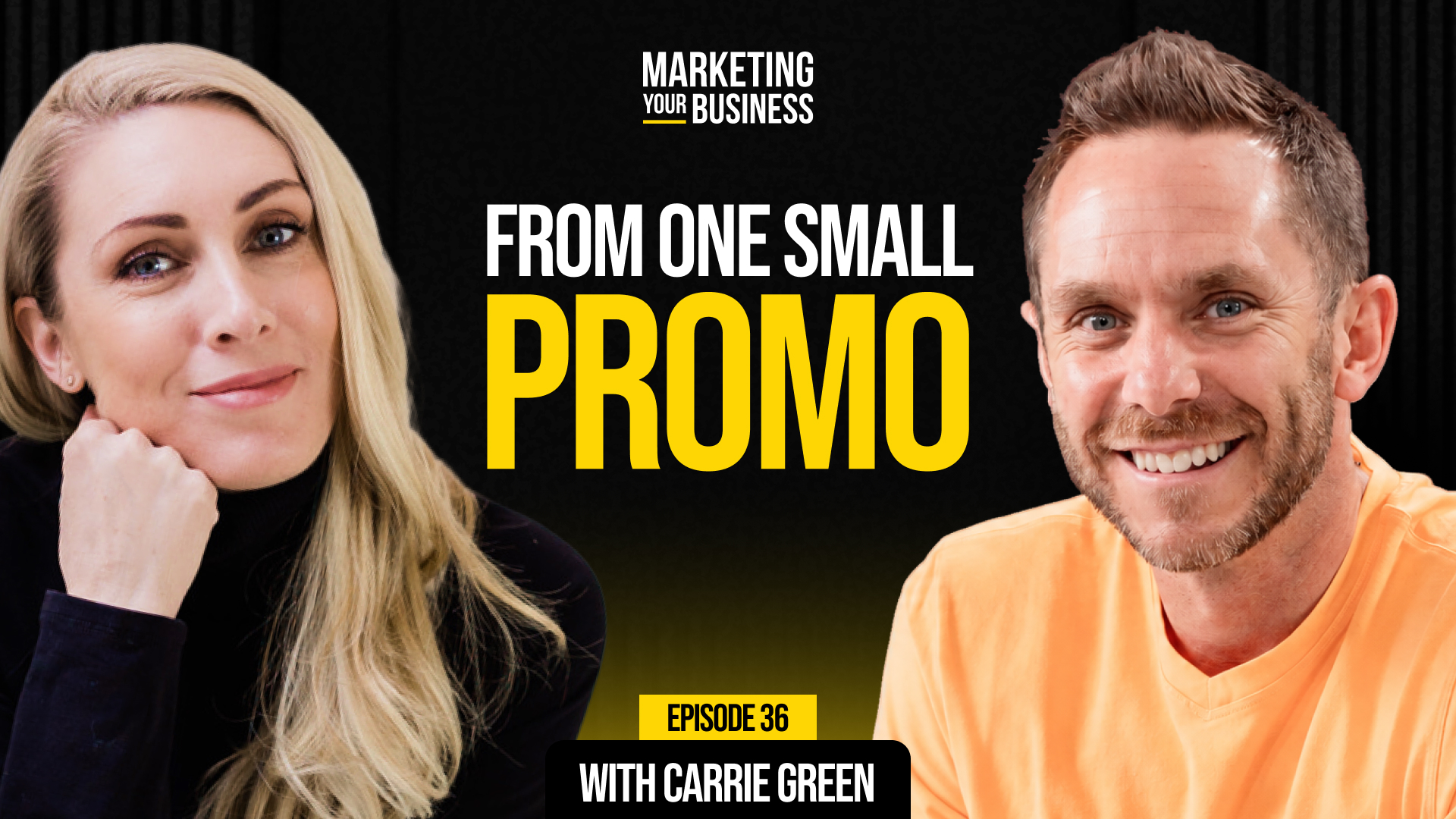
Over 700 People Paid Carrie Green for What Most Creators Give Away Free
TL;DR:
Build a list of buyers, not just subscribers, with low ticket "micro offers" priced mostly $17 to $47.
One micro offer ("37 or 47," Carrie recalls) drew over 700 buyers in a small opening promotion.
A membership felt doable where a full course didn't: one month at a time.
Members join for content but stay for belonging.
Carrie Green founded the Female Entrepreneur Association (FEA) in 2011 and has grown it to "thousands and thousands of women all around the world," as Stu McLaren puts it. Lately, she has been charging for what most creators hand out free.
On Marketing Your Business, Stu chats with Carrie (his very first consulting client) about her low ticket offer strategy and what has kept FEA going for 13 years.
Watch on YouTube or listen at podcast.stu.me.
What Is a Low Ticket Offer, and Why Does Carrie Green Use Them?
A low ticket offer is a small paid product priced low enough to be an easy yes. Carrie's team calls them micro offers, priced "anywhere from $17, $27, $47, rarely above that," with a couple options at $197. They sell them through ads, social posts, and email to turn people into buyers from the start.
The one she describes teaches how to condition yourself for success. She built it herself using AI. She thinks it was "$37 or $47." Over 700 people bought it in what she calls "a small little promotion we did at the beginning."
Stuck with freebies that get downloads but no sales? You might have an offer problem, not an audience problem.
Why Build a List of Buyers Instead of Subscribers?
Because buyers behave differently. Carrie says "we know from the data" that people who pay are far more likely to buy again and join the membership. They also actually use what they bought. Freebies get forgotten in inboxes, she points out, but a paid product gets opened and worked through.
Freebies still have a job. "If we're doing a freebie, there's always going to be a tripwire after it," Carrie says: an offer to buy something right on the thank-you page. Already running free lead magnets? That page is a natural place to test one.
Stu shares that once people commit, they tend to keep committing, which is the logic behind a good sales funnel for your membership.
Why Did Carrie Start With a Membership Instead of a Course?
A course felt too big. Carrie says creating a finished product that had to go from beginning to end felt so huge she "knew I'd never get over the line." A membership only asked her to figure out one month at a time. Recurring revenue sounded "delightful," but it wasn't the main reason.
Her first month was "success month": a workbook, a guide, printable affirmations that "looked dreadful", and a live goal-setting workshop. She had a vague plan for what came next. "Beyond that, I had no idea. No idea." That's the beauty of starting a membership—you can get started with just an idea, then grow into it.
She wasn't starting from zero. Two years of free content had built an email list of 18,000 and about 50,000 Facebook fans. The guilt she felt about charging at all makes for one of the episode's most honest moments.
Why Do Members Stay in a Membership?
Belonging. Carrie believes people may join for the content, but they stay because they feel "these are my people." She learned it the hard way: when she stepped back after having kids, the community side struggled a little and FEA "lost quite a lot of members." Bringing that community feel back is her focus now.
The Big FEA Meetup is one way she has done it. Members applied to host, chosen ambassadors picked a city and a day in one July week, and the team gave them a plan with do's and don'ts. "I can't remember numbers," Carrie admits, but she thinks there were about 75 events worldwide.
How does a self-described "massive overthinker" let go of control over 75 events? Her answer takes about one sentence, and it's a useful model for a stickier community that doesn't lean on the founder.
Watch or Listen to the Full Episode
This recap skips plenty of the good stuff. Carrie shares the funeral exercise that pushed her to start FEA and why "ready is not a feeling," how a first planner run of "like 600" sold out, and why physical products are really about the experience (Stu's alpaca sweater story from Peru lands the same point).
She also walks through the AI "launchpad" she built for her mastermind-style program, plus a candid talk on motherhood and "When is enough enough?"
Watch on YouTube or listen at podcast.stu.me.
About this post: The Membership.io blog covers episodes of Stu McLaren's Marketing Your Business podcast, pulling out the membership and community lessons worth stealing. This recap is based on Stu's conversation with Carrie Green about low ticket offers, building a list of buyers, and what has kept her membership going for 13 years.
Related posts
See more
Laura Phillips Made Six Weeks' Pay in Two Hours
Membership.io Team
October 19, 2026
YouTube for Business: How a Doctor Turned His Channel Into a Book Deal and 11,400 Pre-Orders
Membership.io Team
October 13, 2026
Attention Spans Hit 7.2 Seconds. This ONE Thing Took Course Completion to 65%.
Membership.io Team
September 28, 2026
Stay in the loop
Don't miss out on our latest news, tip and content! Join our mailing list and get exclusive tips, tricks and the latest insider hacks.