The Instagram Bot Purge of 2026: Why Renters Just Got a Wake-Up Call
Membership.io Team
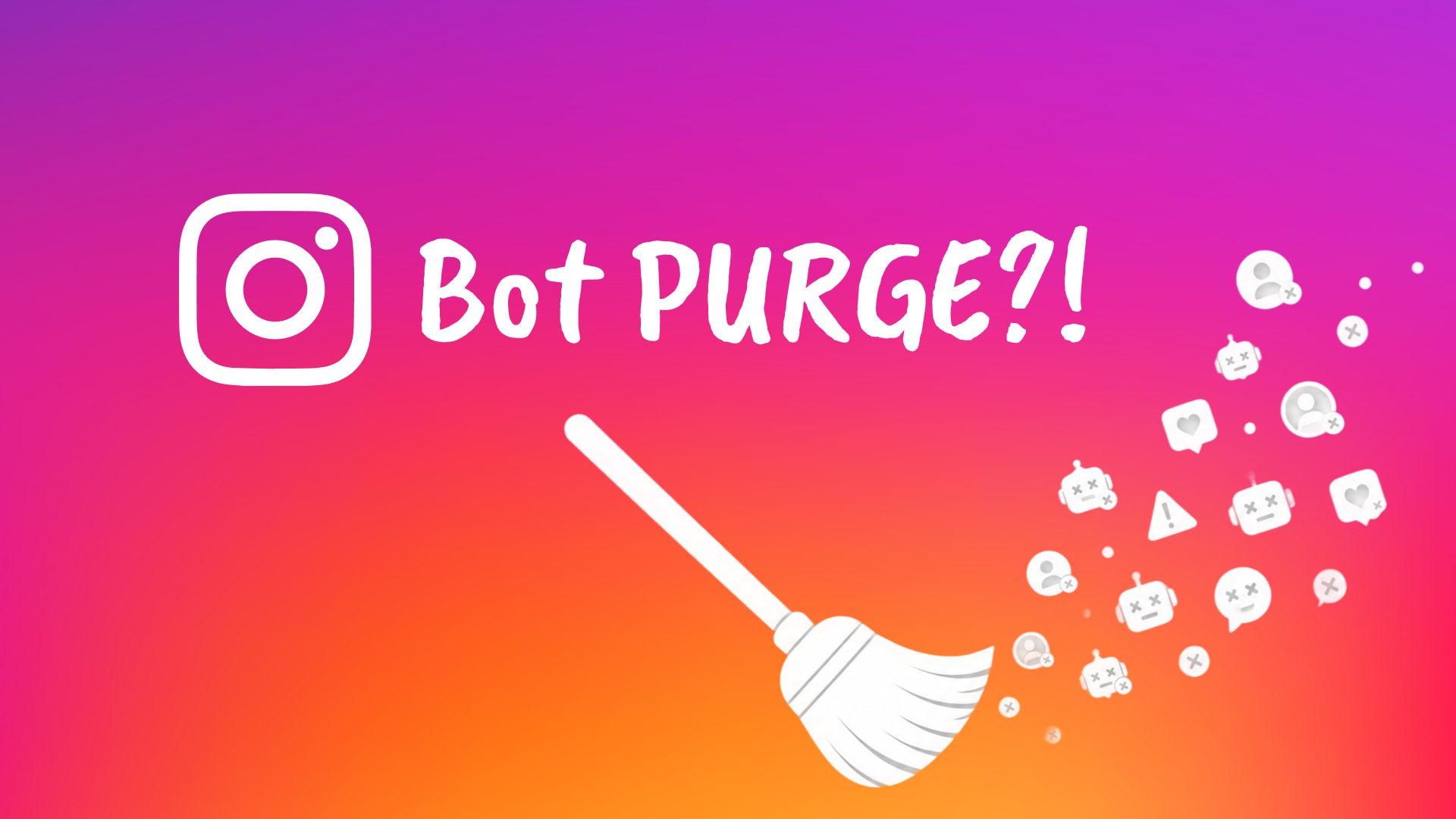
TL;DR: On the night of May 6 into May 7, 2026, Instagram deleted millions of bot, spam, and inactive accounts in a single overnight wave the internet is calling the Great Purge of 2026. Kylie Jenner lost roughly 14 million followers. Most small and mid-sized creators saw 2 to 5 percent drops. Meta says active followers were untouched. The bigger story: this is the third rented-audience event in 2026 alone. The fix isn't a better hashtag strategy. It's owning the audience nobody else can take from you.
By the Membership.io team. We build the dedicated membership platform our customers use to move their audiences off rented social media platforms, and we've now covered three platform-risk events in six weeks.
You woke up to a smaller follower count.
So did Kylie Jenner, BLACKPINK, Cristiano Ronaldo, and a long list of small business owners, photographers, podcasters, and coaches who never bought a single bot follower in their lives. The night of May 6 rolling into May 7, 2026, Instagram ran what's already being called the Great Purge of 2026: a global, AI-driven sweep of bot, spam, and inactive accounts that removed millions of fake accounts in a single six-hour window.
If you're feeling the gut-punch of watching your follower number drop, you're not alone. And if you're tempted to chalk it up to a one-off Instagram thing and move on, please don't. There's a pattern here that's bigger than this purge.
What is the Instagram bot purge of 2026?
The Instagram bot purge of 2026 was an overnight cleanup, executed May 6 to 7, 2026, that removed millions of bot, spam, and inauthentic accounts using an AI moderation tool designed to detect coordinated inauthentic behavior and click-farm activity. The action followed an expanded original-content policy Instagram rolled out one day earlier, on May 5.
That's the official version. The lived version is messier. Creators who never touched a follower-buying service still saw losses, because bots auto-follow trending accounts, and any account caught in that net got pruned. Heavy bot-buyers got hit harder, with some accounts losing 30 to 60 percent of their entire follower base in a single purge. Most regular creators saw drops of 2 to 5 percent.
It happened fast. It was decided by Meta. You found out after.
What did Meta actually say about the Instagram follower drop?
Meta confirmed the action through a spokesperson statement. Per a Meta spokesperson: "As part of our routine process to remove inactive accounts, some Instagram accounts may have noticed updates to their follower counts. Active followers remain unaffected, and any restored suspended account will be included in the count again after verification."
The framing matters. Meta is calling this routine. To them it is. To you, the person watching numbers tick down on the audience you spent years building, it's not routine at all. That tension is the whole point.
How many followers did people actually lose?
Real numbers from real accounts. Kylie Jenner reportedly lost approximately 14 to 15 million followers, the largest single loss reported. BLACKPINK's official account dropped roughly 10 million. Cristiano Ronaldo lost around 8 million, BTS about 7, Selena Gomez and Ariana Grande around 6 to 7 million each.
Outside the celebrity tier, the picture is more relatable. Black creators, small business owners, photographers, podcasters, brand pages, and personal accounts all reported losses. A coach lost 300 followers. A small Etsy seller lost 1,400. A photographer watched a year of audience growth disappear in six hours.
If your business depends on a rate card, this is more than a vanity-metric problem. Influencer rate cards are built off follower counts, and brands already estimate 30 to 40 percent wastage in influencer spending because of inauthentic audiences. The renegotiation conversation many creators are dreading this week is the natural consequence of running a business on numbers you don't control.
Should you be worried if you lost Instagram followers overnight?
If your follower drop was small (1 to 5 percent) and you've never used third-party growth services, the loss itself is not a business problem. The accounts that disappeared were not paying customers. The deeper concern is structural: a single platform decision can change your top-line metric overnight, with no warning, no appeal, and no compensation. That's the part worth taking seriously.
A coach who used to point to "50,000 followers" in pitch emails now points to 47,500 and feels every inch of the difference. The number was never the asset. The relationship was. And the relationship still runs through someone else's pipes.
Why this is bigger than Instagram (the pattern nobody is naming)
Here's the part the rest of the internet is missing this week.
This isn't the first rented-audience event of 2026. It's the third in roughly six weeks.
In late March, OpenAI shut down the Sora app, the standalone site, and the developer API. Creators who had built workflows on Sora found out alongside Disney, which had a billion-dollar deal in motion and learned about the shutdown 30 minutes after starting a working session. A week earlier, Facebook launched Creator Fast Track with $1,000 to $3,000 monthly bonuses for Reels creators, structured as a three-month window. After that, payouts revert to fractions of a cent per thousand views. And now: Instagram, in one night, decides what your audience number is.
Three different platforms. Three different mechanisms. One identical lesson.
When your business sits on rented land, the landlord sets the rules. They can change the algorithm, expire the program, or rewrite your follower count while you sleep. That's not a flaw of any one platform. It's the deal you signed when you decided the platform was where your business lived.
Top news coverage of this purge tells creators to post more carousels, focus on engagement, disconnect third-party apps, and be patient. All of that is fine tactical advice. None of it answers the question every creator is quietly asking: how do I make sure this never happens to me again?
Is a follower count actually an asset you own?
A follower count is not an asset you own. It's a number maintained by a platform, hosted on the platform's servers, governed by the platform's terms of service, and adjustable by the platform without your permission. You can lose followers to an algorithm change, a policy update, an inactive-account sweep, or a full platform shutdown. Real assets don't disappear overnight because someone else made a decision.
Scale is losing leverage in the creator economy for exactly this reason. The metric that used to define a creator's value is the same metric a platform can rewrite at will. Depth of relationship is replacing breadth of follower count, and depth lives somewhere you can actually own: an email list, a paying community, a membership Hub.
70 percent of creators say a single algorithm change could seriously affect their income. That number is not abstract this week.
How do creators protect their audience from platform changes like this?
Creators protect their audience by moving the relationship off rented platforms and onto channels they own: an email list, a private community, and a paid membership where members pay them directly. Social platforms become the launchpad, not the destination. The audience still discovers you on Instagram, TikTok, or YouTube. The business runs somewhere nobody can purge, throttle, or rewrite.
Stu McLaren teaches this as the CCR framework: Content, Community, Recurring Revenue. Content is what gets you found, and rented platforms are great at that part. Community is where trust deepens, and that needs to live somewhere you control. Recurring revenue is what makes the whole thing a business instead of a content treadmill. The Instagram purge didn't break your content. It broke the illusion that the platform was the business.
A pelvic floor fitness specialist named Krystal Schouten ran the play almost exactly this way. After five years of one-on-one clients, she posted a single Instagram carousel asking who was interested in a membership before the program was fully built. Past clients signed up. Friends referred friends. She had founding members before she had finished content. Today her membership, The Body Reset Method, reaches women she could never have served through one-on-ones, and the platform that helped her find them is no longer the platform she depends on. Instagram was the launchpad. The membership is the home.
That's the move. And it works in any niche where you have expertise: coaching, music, photography, the trades, art, education, health, business. The pattern isn't fitness-specific. It's ownership-specific.
What should creators do after the Instagram bot purge?
Three concrete moves, in order. First, capture the audience you already have somewhere off Instagram. Start a simple email list this week and tell your followers about it in your next post. Second, ask the question Krystal asked: what would 50 of my people pay me monthly to access? Third, treat every social platform from now on as a discovery channel, not a business address.
Don't quit Instagram. Use it the way it actually works for creators. Reach is real. Discovery is real. The same approach extends to other social channels too, including Twitter and X as launchpads for an owned audience. The question isn't whether to use rented platforms. It's whether you let them be the only thing you have.
A membership puts the relationship on infrastructure you own. Members pay you directly. You set the price. You keep the email addresses. Nobody can rewrite the member count overnight. 88 percent of community builders now monetize through memberships for a reason, and subscription businesses grow 4.6 times faster than S&P 500 companies because recurring revenue compounds in a way ad payouts never will.
If you're ready to stop counting followers and start counting members, here's how to launch a membership site. You don't need a million followers. You need an audience that trusts you, expertise worth paying for, and the decision to stop building on someone else's land.
The Great Purge of 2026 didn't actually take anything from you that you owned. That's the point. Everything you built that was actually yours, your reputation, your craft, the people who genuinely care about your work, is still here this morning. The number that changed was the one you never controlled in the first place.
Make the next thing you build something nobody can take.
FAQ
What is the Instagram bot purge of 2026?
The Instagram bot purge of 2026 was an overnight removal of millions of bot, spam, and inactive accounts on May 6 to 7, 2026. Meta used an AI moderation tool to detect coordinated inauthentic behavior and click-farm activity. Some real accounts were affected because bots often auto-follow trending creators.
Why am I losing Instagram followers right now?
You're losing Instagram followers right now because Meta executed a global cleanup of bot, spam, and inactive accounts overnight on May 6 to 7, 2026. Most creators saw drops of 2 to 5 percent. Heavier losses suggest a portion of your audience came from bot-driven follow services, even if you didn't buy them yourself.
Will my brand deals be affected by the Instagram bot purge?
Possibly, if your rate card depends on follower thresholds. Brands already account for inauthentic audiences in their pricing, and many will use the purge as a reason to push for engagement-based pricing instead of follower-based pricing. The longer-term answer is to build pricing around an owned audience, not a platform metric.
What should creators do after the Instagram bot purge?
Capture your existing audience on a channel you own (start with an email list), then build a paid membership where members pay you directly. Use Instagram as a launchpad for discovery, not as the home of your business. The purge is a reminder that platform-controlled metrics aren't business assets.
Related posts
See more
Stay in the loop
Don't miss out on our latest news, tip and content! Join our mailing list and get exclusive tips, tricks and the latest insider hacks.